
What is Sedation Dentistry and How it Helps
Dental anxiety and fear are common reasons people avoid going to the dentist, even when they are in need of essential dental care. Fortunately, sedation dentistry offers a solution to this problem, making dental visits more comfortable and stress-free. In this article, we’ll explore what sedation dentistry is and how it can help individuals overcome their dental phobias and anxieties.
What is Sedation Dentistry?
Sedation dentistry, sometimes referred to as sleep dentistry, is a practice in which a dentist uses medication to help patients relax during dental procedures. It’s essential to understand that you’re not necessarily asleep during these procedures; instead, you’re in a deeply relaxed state, which may make you feel drowsy or unaware of the treatment.
Sedation dentistry is suitable for a range of patients, including those with dental anxiety, a strong gag reflex, difficulty sitting still, a low pain threshold, or the need for extensive dental work. There are different levels of sedation, including:
Minimal Sedation:
You remain awake but are relaxed.
Moderate Sedation (Conscious Sedation):
You may slur your words and not remember the procedure.
Deep Sedation:
You are on the edge of consciousness but can be awakened.
General Anesthesia:
You are completely unconscious.
How Sedation Dentistry Helps:
Relief from Anxiety and Fear:
Sedation dentistry is a lifeline for people with dental anxiety or fear. It can help patients feel more at ease and relaxed during their dental procedures, making it possible for them to receive necessary care without excessive stress.
Pain Management:
Sedation can help manage pain and discomfort during more invasive or lengthy dental treatments. It ensures that you remain comfortable and experience minimal pain during the procedure.
Gag Reflex Control:
Patients with a strong gag reflex can find it challenging to undergo dental procedures. Sedation helps suppress the gag reflex, making it easier for the dentist to work comfortably.
Improved Experience:
Sedation dentistry can enhance the overall dental experience. It allows for efficient and focused treatment, as patients are more cooperative and less anxious.
Multiple Procedures in One Visit:
For individuals who need extensive dental work, sedation dentistry can allow for multiple procedures to be completed in a single visit. This minimizes the number of dental appointments required.
Memory Suppression:
For those who prefer not to remember the details of their dental procedures, sedation can induce temporary amnesia, sparing you from any traumatic memories.
Types of Sedation:
The choice of sedation method depends on the patient’s anxiety level and the type of dental procedure. The common types of sedation include:
Oral Sedation:
You take a prescribed sedative pill before your appointment. It induces a mild to moderate level of sedation.
Inhaled Minimal Sedation:
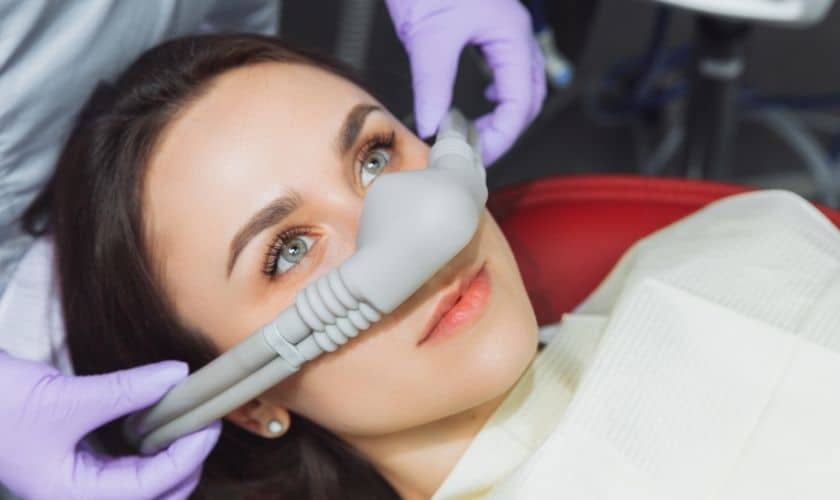
Nitrous oxide, commonly known as “laughing gas,” is inhaled through a mask. It provides a light level of sedation and is quickly reversible.
IV Sedation:
Intravenous (IV) sedation is administered directly into your bloodstream. It allows for precise control over the level of sedation.
General Anesthesia:
General anesthesia involves complete unconsciousness and is typically reserved for extensive oral surgery or complex procedures.
The Bottom Line
Sedation dentistry has transformed the dental experience for countless patients who were previously unable or unwilling to seek dental care. It provides a safe and effective way to manage anxiety, pain, and discomfort during dental procedures. If dental anxiety or fear has been preventing you from receiving necessary dental care, consider discussing sedation dentistry options with a qualified dentist to make your visits more comfortable and stress-free.