
Dental Implants 101: Age, Conditions, Procedure, and Recovery Explained
Dental implants have revolutionized the field of dentistry, offering a permanent solution for missing teeth. Whether you have lost a tooth due to injury, decay, or other conditions, dental implants can restore your smile and improve your oral health. In this blog post, we will explore the various aspects of dental implants, including the ideal age for the procedure, the conditions that necessitate implants, the steps involved in the procedure, and what to expect during recovery.
Understanding Dental Implants
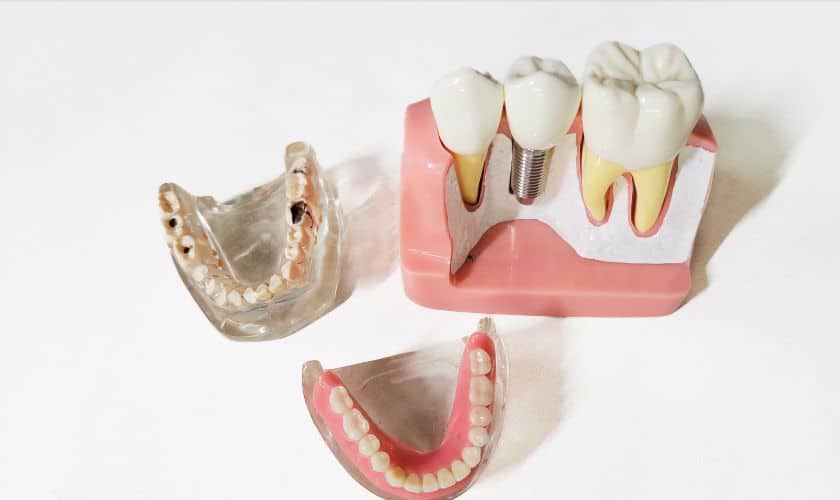
A dental implant is a titanium post that is surgically inserted into the jawbone to serve as a replacement root for a missing tooth. This post provides a stable foundation for a prosthetic tooth, such as a crown, bridge, or denture. The biocompatible nature of titanium allows the implant to fuse with the jawbone through a process called osseointegration, ensuring durability and strength.
Ideal Age for Dental Implants
Adults
Dental implants are typically recommended for adults whose jawbones have fully developed. This usually occurs around the age of 18. However, the best age for dental implants can vary depending on the individual’s growth patterns. It is essential to ensure that the jawbone has stopped growing to avoid complications.
Elderly Patients
Age is not a limiting factor for dental implants. Older adults can benefit significantly from dental implants, provided they have adequate bone density and overall good health. In fact, dental implants can greatly enhance the quality of life for elderly patients by improving their ability to eat, speak, and maintain oral hygiene.
Conditions Requiring Dental Implants
Several conditions may necessitate the need for dental implants:
Tooth Loss
One of the primary reasons for dental implants is the replacement of missing teeth. Tooth loss can occur due to various factors, including periodontal disease, tooth decay, trauma, or congenital absence of teeth.
Bone Loss
When a tooth is lost, the jawbone in the area can begin to deteriorate due to lack of stimulation. Dental implants help prevent bone loss by mimicking the natural tooth root and providing the necessary stimulation to maintain bone density.
Denture Stabilization
For patients who struggle with loose or uncomfortable dentures, dental implants can provide a stable and secure foundation. Implant-supported dentures offer improved stability, comfort, and chewing efficiency compared to traditional dentures.
The Dental Implant Procedure
The dental implant procedure involves several stages, each critical to the success of the treatment.
Initial Consultation and Evaluation
The first step is a thorough evaluation by a dental professional. This includes a comprehensive dental exam, review of medical history, and imaging studies such as X-rays or CT scans to assess the condition of the jawbone and surrounding structures.
Treatment Planning
Based on the evaluation, a customized treatment plan is developed. This plan outlines the number of implants needed, the type of prosthetic restoration, and the timeline for the procedure.
Implant Placement
The next step is the surgical placement of the dental implant. This is typically performed under local anesthesia. The dentist makes an incision in the gum to expose the jawbone and then drills a hole to insert the titanium post. The gum is then stitched back into place, and the healing process begins.
Osseointegration
Osseointegration is a crucial phase where the implant fuses with the jawbone. This process can take several months, during which the patient must follow a strict oral hygiene regimen and avoid putting excessive pressure on the implant site.
Abutment Placement
Once osseointegration is complete, a small connector called an abutment is attached to the implant. The abutment serves as the base for the prosthetic tooth.
Prosthetic Restoration
The final step is the placement of the prosthetic tooth, which is custom-made to match the color, shape, and size of the natural teeth. This restoration can be a crown, bridge, or denture, depending on the patient’s needs.
Recovery and Aftercare
Recovery from dental implant surgery varies from patient to patient, but there are general guidelines to ensure a smooth healing process.
Immediate Post-Surgery Care
- Rest and Avoid Strenuous Activity: It is essential to rest and avoid any strenuous activity for the first few days following surgery.
- Manage Pain and Swelling: Pain and swelling are common after the procedure. Over-the-counter pain medications and ice packs can help manage these symptoms.
- Diet: Stick to a soft diet and avoid hot, spicy, or crunchy foods that can irritate the surgical site.
Long-Term Care
- Oral Hygiene: Maintaining excellent oral hygiene is crucial. Brush and floss regularly, and use an antimicrobial mouthwash as recommended by your dentist.
- Regular Check-Ups: Schedule regular follow-up appointments to monitor the healing process and ensure the implant is functioning correctly.
- Avoid Smoking: Smoking can hinder the healing process and increase the risk of implant failure.
Success Rates and Benefits
Dental implants boast a high success rate, with studies indicating success rates of up to 98%. The benefits of dental implants include:
- Improved Appearance: Dental implants look and feel like natural teeth, enhancing your smile.
- Enhanced Comfort: Implants eliminate the discomfort of removable dentures.
- Better Oral Health: Implants do not require the alteration of adjacent teeth, preserving the natural tooth structure.
- Durability: With proper care, dental implants can last a lifetime.
Conclusion
Dental implants are a reliable and effective solution for replacing missing teeth and restoring oral function. Whether you are a young adult or a senior, dental implants can enhance your quality of life by providing a permanent, natural-looking solution. If you are considering dental implants, consult with a dental professional to determine if you are a suitable candidate and to develop a personalized treatment plan. At our practice in Peachtree City dentist, we are committed to helping you achieve a healthy, beautiful smile with the latest in dental implant technology.