
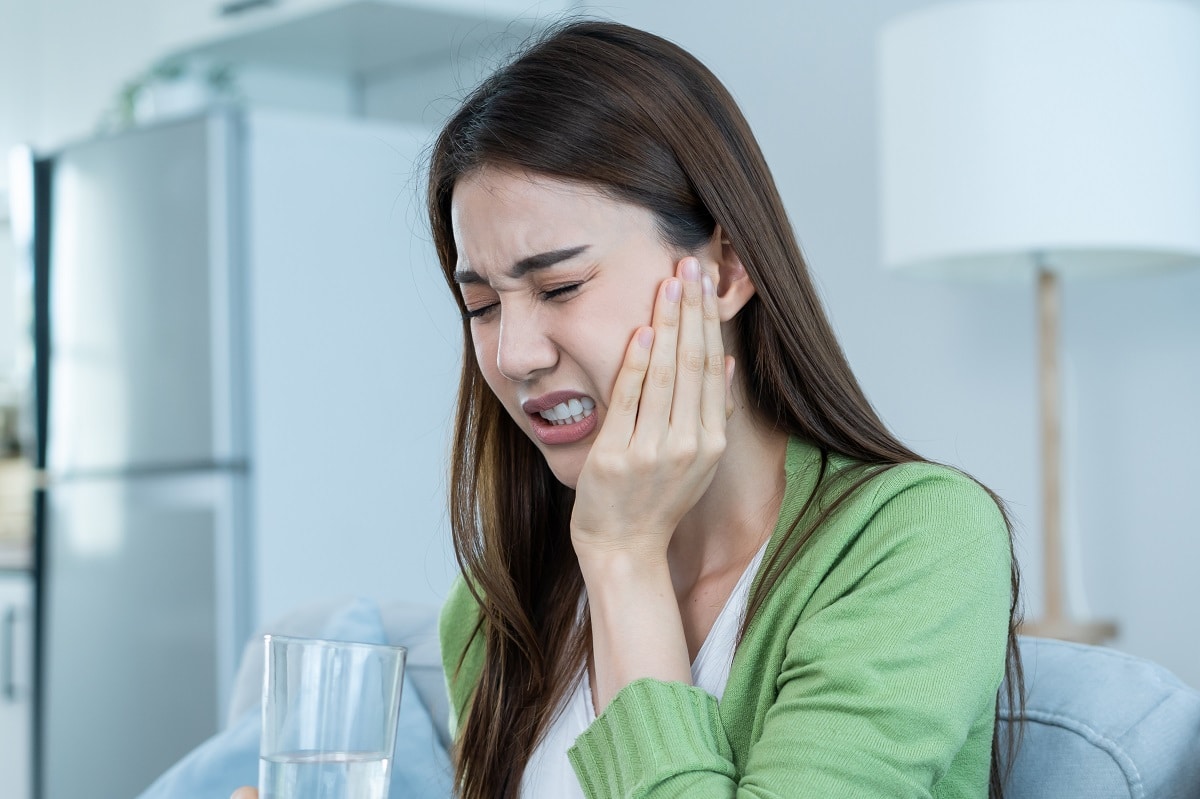
Why Does My Jaw Hurt When I Bite Down? It Could Be Uneven Pressure
You may not think much about how your teeth come together until something starts feeling off. Around Peachtree City, we often hear patients from Tyrone, Fayetteville, Sharpsburg, and Senoia describe the same concern in different ways: “My jaw feels sore when I chew,” “It hurts when I bite into something crunchy,” or “One side of my jaw feels tired.” Sometimes the issue turns out to be temporary irritation. Other times, uneven biting pressure is quietly placing extra strain on the jaw without the person realizing it.
At Vassey Dental Partners, Dr. Christine Keyser and the team focus on helping patients understand the why behind symptoms, not just the symptom itself. With a patient-first approach and a strong emphasis on practical, individualized care, the team evaluates how teeth, bite function, jaw movement, and daily habits work together to affect long-term comfort.
When Jaw Discomfort Shows Up Only During Biting
A common misconception is that jaw discomfort must mean something is seriously wrong with the jaw joint. In reality, many patients feel discomfort specifically when biting down, and that detail matters.
Your bite is designed to distribute pressure relatively evenly across your teeth and jaw muscles. When one tooth hits too hard, teeth no longer align properly, or pressure becomes uneven, certain muscles and joints may begin compensating. Over time, that imbalance can create soreness, fatigue, tension, or discomfort during chewing.
Some patients explain it as a dull ache. Others describe tenderness near the ear, tightness after meals, or discomfort that appears only when biting into firmer foods.
What makes this confusing is that symptoms are not always constant. Many people wait because the discomfort comes and goes, assuming it will resolve on its own.
Why Uneven Pressure Happens More Often Than People Realize
Bite pressure can change gradually or suddenly.
Sometimes the cause is obvious, such as a cracked filling, recent dental work, or shifting teeth. In other cases, patients are surprised to learn their jaw discomfort developed slowly over months.
A few situations dentists commonly see include:
- Teeth grinding or clenching during sleep
- Minor tooth movement over time
- Worn enamel changing how teeth contact one another
- Missing teeth altering pressure distribution
- A filling or crown sitting slightly too high
- Changes related to orthodontic relapse
Patients searching for a dentist near Peachtree City for jaw pain caused by biting pressure are often surprised to hear that even a very small imbalance can change how muscles function throughout the day.
Think of it like walking with one shoe slightly uneven. Your body compensates, but eventually, something begins feeling strained.
The Signs That Usually Matter Most
Not every jaw sensation signals a major issue, but certain patterns deserve attention.
Instead of focusing on every possible symptom, dentists often look for clues that help determine whether uneven pressure may be involved.
You might notice:
- Discomfort mainly when chewing or biting down
- Jaw soreness that feels worse later in the day
- One side of the mouth feeling “off”
- Teeth that suddenly seem to touch differently
- Headaches near the temples
- Jaw fatigue after eating chewy foods
- Sensitivity when pressure is applied to one area
Interestingly, some patients never describe “pain” at all. They simply say their bite feels strange or uneven.
That subtle change matters.
In practice, people often wait until discomfort becomes harder to ignore, but earlier evaluation can sometimes prevent more complicated bite-related problems from developing.
“Maybe It’s TMJ” Isn’t Always the Full Story
Patients frequently assume jaw discomfort automatically means TMJ disorder.
The reality is more nuanced.
Jaw discomfort can involve the muscles, the joint itself, or the bite. Sometimes all three are connected.
For example, if one tooth absorbs too much force repeatedly, surrounding muscles may tighten to compensate. That muscle tension can begin mimicking symptoms people associate with TMJ, including soreness, mild clicking, or tension around the jaw.
This is one reason diagnosis matters.
A rushed online search may suggest jaw exercises, ice packs, or over-the-counter remedies, but if uneven pressure is contributing to the problem, temporary relief may not address what is actually triggering the discomfort. In some cases, persistent strain on the jaw joint can contribute to symptoms associated with jaw dysfunction, making a professional evaluation important. Depending on the underlying cause, treatment may involve bite adjustments, custom oral appliances, or TMJ therapy to help reduce strain, improve jaw function, and address the source of discomfort rather than only masking symptoms.
Small Patient Mistakes That Can Make Things Worse
One pattern dentists see repeatedly is patients changing how they chew without realizing it.
If biting becomes uncomfortable, many people start chewing on one side only. It feels logical in the moment, but it can unintentionally create additional muscle imbalance and extra strain.
Another common mistake is ignoring a bite that suddenly feels different after dental work.
While some adjustment periods are normal, persistent pressure points should not be dismissed. Patients occasionally say, “I thought I’d just get used to it,” only to discover the imbalance continued irritating the jaw.
Grinding and clenching are another overlooked factor. Many patients are unaware they clench during stress or sleep until soreness starts appearing.
When Jaw Discomfort Should Move Higher on Your Priority List
Jaw soreness after biting into something hard once is usually less concerning than discomfort that repeats or progresses.
It may be worth scheduling an evaluation if:
- Biting discomfort lasts more than a few days
- Chewing becomes uncomfortable regularly
- Your bite suddenly feels different
- Jaw soreness keeps returning
- Clicking or tightness starts increasing
- You avoid certain foods because chewing feels uncomfortable
People looking for a family dentist who checks bite-related jaw discomfort are often relieved to learn that many cases become easier to manage when addressed earlier.
The goal is not always extensive treatment. Sometimes a small adjustment, night guard recommendation, or identifying pressure patterns can make a meaningful difference.
What Dentists Actually Look For During an Evaluation
Patients sometimes expect a quick answer, but bite-related discomfort usually involves looking at several moving parts.
At Vassey Dental Partners, evaluation may include checking how teeth come together, identifying uneven contact points, reviewing muscle tenderness, discussing clenching habits, and examining whether previous dental work or shifting teeth may be contributing.
There are also edge cases that patients rarely expect.
For example, someone with mild crowding who recently started chewing more on one side after a sensitive tooth may unknowingly create muscle strain. Others may have an old filling affecting bite pressure in ways that are difficult to notice without an exam.
The important thing is understanding that jaw discomfort during biting is often more connected to function than people assume.
Find Answers Before Jaw Discomfort Becomes More Disruptive
If your jaw feels sore when biting down, chewing feels uneven, or something simply feels different, getting clarity matters. At Vassey Dental Partners, Dr. Christine Keyser and the team help patients understand whether bite pressure, clenching, tooth alignment, or another issue may be contributing to discomfort so they can make informed decisions about next steps. Scheduling an evaluation can often provide reassurance and a clearer path forward. If you are experiencing ongoing jaw discomfort or concerns about your bite, contact us today to schedule an appointment and learn what may be causing the issue.
Jaw discomfort rarely feels important at first until it starts interfering with meals, concentration, or daily comfort. We believe paying attention to subtle bite changes early can help prevent bigger frustrations later, and our goal is always to help patients understand what is happening and what options make the most sense for their situation.
FAQs
Can uneven bite pressure really cause jaw pain?
Yes, uneven pressure can sometimes strain jaw muscles and surrounding structures, especially when one area repeatedly absorbs more force than intended.
Why does my jaw hurt only when I bite down?
Discomfort during biting may suggest pressure-related irritation involving the teeth, muscles, or jaw mechanics rather than constant joint inflammation.
Can a filling or crown affect my bite?
Yes. If a restoration sits slightly too high, it may alter how teeth come together and create uneven pressure while chewing.
Is jaw discomfort from biting always TMJ?
No. Bite imbalance, muscle strain, clenching, tooth damage, and pressure changes can all contribute to similar symptoms.
Can stress make jaw discomfort worse?
Yes. Stress-related clenching often increases pressure on teeth and jaw muscles, which may worsen soreness over time.
Should I ignore mild jaw discomfort if it comes and goes?
Recurring discomfort is worth paying attention to, especially if chewing feels different or symptoms gradually increase.
How do dentists check for uneven bite pressure?
Dentists assess tooth contact points, bite alignment, muscle tenderness, jaw movement, and signs of wear or clenching.
When should I schedule an appointment for jaw discomfort?
If soreness persists, chewing becomes uncomfortable, your bite feels different, or symptoms keep returning, an evaluation may help identify the cause.