
When Is a Root Canal Necessary vs. When Can a Filling Still Save the Tooth?
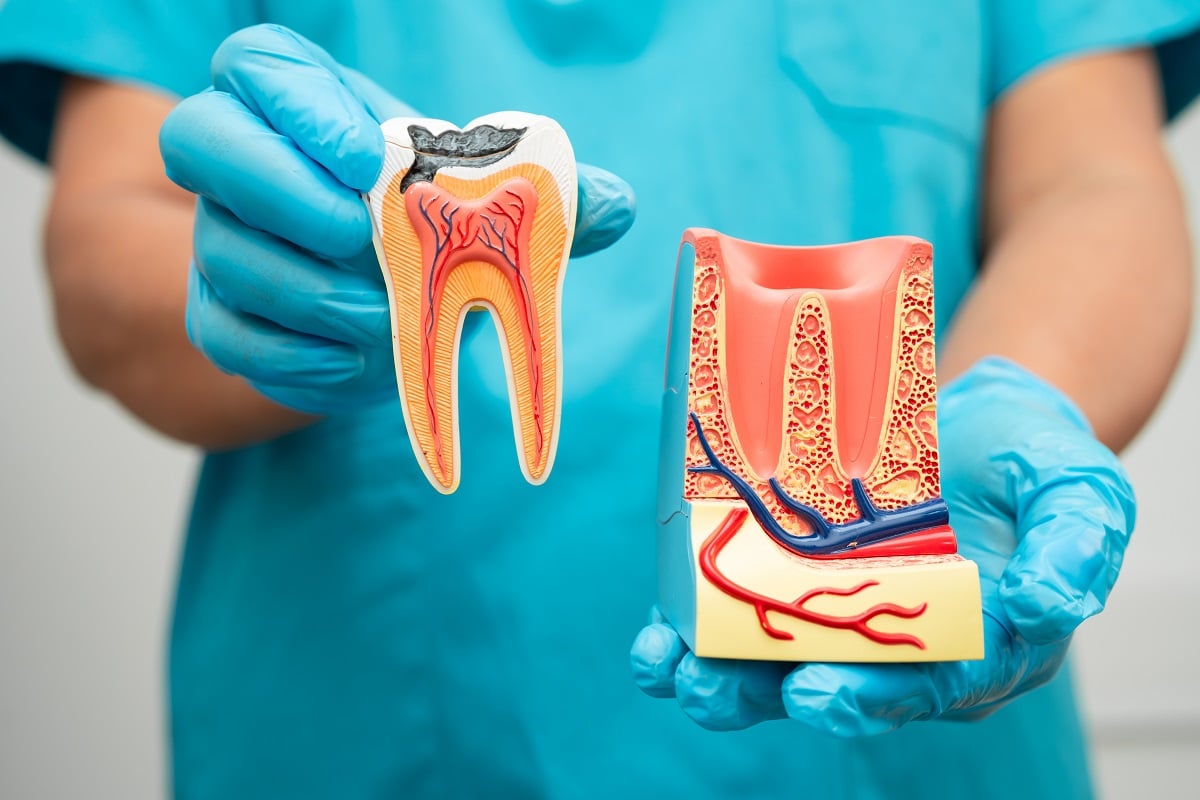
One unexpected twinge while sipping coffee or a lingering ache after dinner can leave you wondering if you’re facing a simple filling or something more serious. While it’s easy to assume that tooth pain automatically means you need a root canal, that’s not always the case. Many teeth can still be saved with a filling when decay is caught early. The key is determining whether the damage has remained in the outer layers of the tooth or has reached the dental pulp, where the nerves and blood vessels are located.
Patients throughout Peachtree City, Tyrone, Sharpsburg, Fayetteville, and nearby communities often ask, “Can this tooth still be fixed with a filling?” The answer isn’t based solely on how much the tooth hurts. Dentists evaluate the depth of decay, the health of the tooth’s nerve, and diagnostic imaging to determine which treatment offers the best chance of preserving your natural tooth.
Dr. Pat Steck of Vassey Dental Partners has extensive experience diagnosing and treating damaged teeth with a conservative, patient-first approach. He focuses on preserving healthy tooth structure whenever possible while helping patients understand their treatment options through clear communication and comprehensive evaluations. Visit us at our dental practice in Peachtree City, GA, conveniently located near Peachtree City Tennis Center and just minutes from Flat Creek Golf Club, proudly serving patients from Peachtree City, Fayetteville, Tyrone, Sharpsburg, and surrounding communities.
A Filling Works Only While the Tooth’s Nerve Is Still Healthy
A filling repairs a tooth by removing decayed tissue and replacing it with a durable restorative material. This treatment is most successful when the cavity has not caused irreversible inflammation or infection inside the tooth.
Many patients are surprised to learn that cavity size alone doesn’t determine treatment. Some large cavities can still be restored with a filling, while a smaller cavity in a critical location may already have affected the pulp.
When you visit a dentist in Peachtree City, your examination typically includes digital X-rays, a visual assessment, and tests that evaluate how the nerve responds. These findings help determine whether the tooth can recover after a filling or requires more advanced treatment.
Pain Doesn’t Always Tell the Whole Story
One of the biggest misconceptions is that severe pain automatically means a root canal is necessary. In reality, pain is only one piece of the diagnostic process.
Dentists often see patients who experience:
- Brief sensitivity to cold that disappears quickly
- Mild discomfort when biting
- Food getting trapped around a cavity
- No pain at all despite significant decay
On the other hand, some patients with infected pulp experience only occasional discomfort until the infection becomes more advanced.
This is why relying on symptoms alone can be misleading. Clinical testing provides much more reliable information than pain intensity.
What Changes When Decay Reaches the Pulp?
The pulp contains living tissue that helps the tooth develop and respond to temperature changes. Once bacteria reach this area, inflammation begins.
Initially, the pulp may recover if the source of irritation is removed. As infection progresses, however, the tissue loses its ability to heal.
Dentists generally become concerned when patients report:
- Tooth pain that lingers after hot or cold foods
- Pain that wakes them during the night
- Swelling near the affected tooth
- Pressure or tenderness while chewing
- A recurring pimple-like bump on the gums
These findings often indicate that simply placing a filling will not eliminate the underlying infection.
Why Waiting Can Change the Treatment Plan
One of the most common situations dentists encounter involves patients who delay treatment because the pain improves.
Unfortunately, pain sometimes decreases because the nerve is losing its vitality rather than because the tooth is healing.
In everyday practice, dentists frequently see patients who postponed treatment for several months after noticing occasional sensitivity. By the time they return, bacteria have reached the pulp, making a filling no longer predictable.
Addressing cavities early often allows for simpler, less invasive treatment while preserving more of the natural tooth.
A Cracked Tooth Can Complicate the Decision
Not every tooth requiring a root canal has extensive decay.
Cracks can allow bacteria to enter the inner tooth even when little or no cavity is visible. Some cracks affect only the outer enamel and can be restored with a filling or crown. Others extend deeper and irritate the pulp.
This is one reason dentists sometimes recommend additional imaging or bite tests before finalizing a treatment plan.
Every tooth behaves differently, and treatment decisions should be based on the condition of the pulp rather than appearance alone.
Why Every Deep Cavity Doesn’t Automatically Need a Root Canal
Patients often assume that hearing the words “deep cavity” means a root canal is inevitable.
That isn’t always true.
If testing shows the pulp remains healthy and protected, the tooth may still respond well to a carefully placed filling or another conservative restoration. Dentists evaluate several factors together, including:
- The depth and location of decay
- Whether bacteria have reached the pulp
- X-ray findings
- Temperature sensitivity tests
- Chewing discomfort
- Evidence of infection around the root
This comprehensive approach helps avoid unnecessary treatment while protecting teeth that truly require root canal therapy.
The Goal Is Always to Save Your Natural Tooth
Root canal therapy often sounds intimidating, but its purpose is actually the same as a filling: preserving your natural tooth.
When infection reaches the pulp, removing the damaged tissue allows the tooth to remain functional rather than requiring extraction.
Likewise, when a filling is still appropriate, treating the cavity early helps avoid more complex procedures in the future.
Seeing a dental professional at the first signs of sensitivity, discomfort, or visible decay gives you the greatest opportunity to keep treatment simple.
Don’t Guess, Get the Right Diagnosis
If you’re experiencing tooth sensitivity, discomfort when chewing, or persistent tooth pain, the team at Vassey Dental Partners can help determine whether a filling is still appropriate or whether root canal therapy is the best option for saving your tooth. We provide root canal therapy consultations with a comprehensive evaluation, digital imaging, and personalized treatment recommendations, so you can make an informed decision about your oral health.
The difference between a filling and root canal therapy isn’t determined by pain alone. It depends on how deeply the tooth has been affected and whether the pulp can still recover. By seeking an evaluation early, we can often preserve more of your natural tooth and recommend the most conservative treatment that supports your long-term oral health.
Frequently Asked Questions
Can a cavity become too deep for a filling?
Yes. Once bacteria cause irreversible damage to the pulp, a filling alone cannot eliminate the infection, and root canal therapy may be recommended.
How do dentists determine whether I need a root canal?
Your dentist combines digital X-rays, a clinical examination, temperature testing, bite evaluation, and your symptoms to determine whether the pulp is healthy enough for a filling.
Can a tooth hurt after a filling and still be normal?
Some temporary sensitivity is common after a filling. However, persistent or worsening pain should be evaluated to rule out deeper nerve involvement.
Does every painful tooth need a root canal?
No. Tooth pain can result from cavities, cracked teeth, gum inflammation, bite problems, or sensitivity. A comprehensive evaluation is needed before making a diagnosis.
Can I wait if the pain goes away?
No. Pain that disappears doesn’t necessarily mean the problem has resolved. In some cases, it may indicate that the nerve has become severely damaged.
Will delaying treatment increase my chances of needing a root canal?
Often, yes. Early cavities can frequently be restored with fillings before bacteria spread to the pulp.
Can a root canal save a tooth that would otherwise need extraction?
In many cases, yes. Root canal therapy removes infected tissue while preserving the natural tooth structure whenever possible.
Is a filling always the less expensive option?
Generally, yes. Treating decay early with a filling is typically less complex and less costly than waiting until root canal therapy becomes necessary.