
Exploring Modern Methods for Effective TMJ Therapy: Insights from Peachtree Dentist
In the realm of dental health, temporomandibular joint (TMJ) disorders stand as a common yet often misunderstood affliction. As we delve into the nuances of TMJ therapy, let’s embark on a journey with Dr. Christine Keyser, a distinguished dentist in Peachtree City, who sheds light on modern methods revolutionizing the approach to TMJ treatment.
Understanding TMJ: A Complex Conundrum
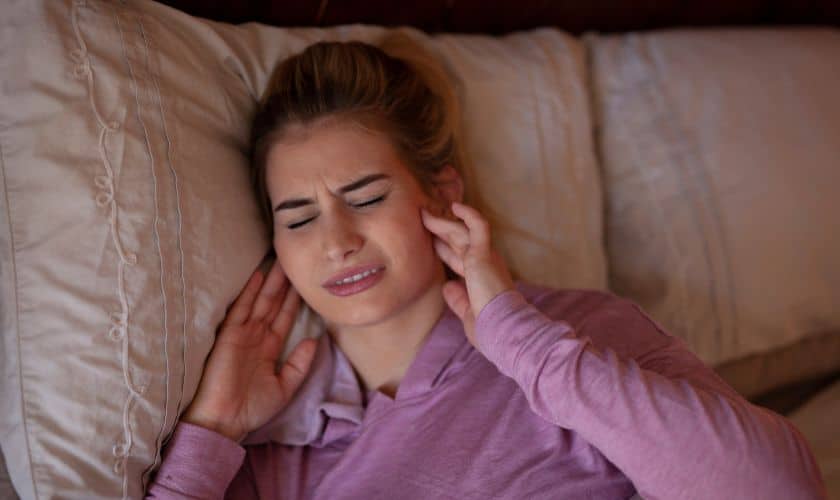
The temporomandibular joint, connecting the jawbone to the skull, plays a pivotal role in everyday activities like chewing and speaking. When this intricate system encounters dysfunction, individuals may experience a range of symptoms, including jaw pain, headaches, and difficulty in opening or closing the mouth – collectively termed TMJ disorders.
Diagnostic Precision: The First Step Toward Effective Therapy
In our conversation with Dr. Keyser, she emphasizes the significance of precise diagnosis in the realm of TMJ therapy. “Each patient’s case is unique, and a thorough understanding of the underlying factors is crucial for devising an effective treatment plan,” she states. Modern diagnostic tools, such as advanced imaging techniques and computerized jaw tracking, empower dentists to pinpoint the root causes with unprecedented accuracy.
Bridging the Gap with Orthopedic Dentistry
One of the groundbreaking approaches gaining traction in TMJ therapy is orthopedic dentistry. Dr. Keyser explains, “TMJ disorders often involve a complex interplay of dental and musculoskeletal factors. Orthopedic dentistry allows us to address these issues comprehensively, considering not just the teeth but the entire jaw and surrounding structures.”
By incorporating orthopedic principles, dentist Keyser can create tailored treatment plans that go beyond mere symptom management, aiming to correct the underlying structural imbalances contributing to TMJ disorders.
The Role of Neuromuscular Dentistry: Aligning Muscles and Joints
Neuromuscular dentistry, another innovative field, plays a crucial role in the evolution of TMJ therapy. Dr. Keyser describes it as “a holistic approach that focuses on achieving harmony between the jaw joints, muscles, and the bite.” By utilizing electromyography (EMG) to measure muscle activity and computerized jaw analysis, dentists can precisely identify misalignments and develop strategies to restore balance.
Customized Oral Appliances: A Non-Invasive Intervention
For many patients, relief from TMJ symptoms comes in the form of customized oral appliances. Dr. Keyser explains, “These devices, similar to nightguards, are designed to optimize jaw positioning and reduce strain on the TMJ. They provide a non-invasive yet highly effective solution for many individuals suffering from TMJ disorders.”
These appliances, tailored to the patient’s unique jaw structure, offer a conservative and patient-friendly approach, often yielding significant improvements in symptoms over time.
The Mind-Body Connection: Integrative Therapies
In a holistic approach to TMJ therapy, the mind-body connection should not be underestimated. Dr. Keyser advocates for the integration of stress management techniques, physical therapy, and relaxation exercises as adjunct therapies to traditional dental interventions. “Stress can exacerbate TMJ symptoms, and addressing it as part of the treatment plan is essential for long-term success,” she notes.
Final Thought
As we journey through the modern landscape of TMJ therapy with Dr. Christine Keyser, a dentist in Peachtree City, it becomes evident that the evolution of diagnostic precision and treatment approaches has ushered in a new era for patients grappling with TMJ disorders. From orthopedic dentistry to neuromuscular approaches and personalized oral appliances, the arsenal of tools at the disposal of dental professionals allows for tailored, effective, and patient-centered interventions. Through this holistic lens, Dr. Keyser invites patients to explore a realm where personalized care meets cutting-edge science, fostering hope for a future free from the grip of TMJ-related discomfort and pain.