
How to Spot the Early Warning Signs of Gingivitis
Have you noticed your gums looking a little more swollen than usual after brushing? Or maybe you’ve been experiencing occasional discomfort when you eat or brush your teeth? Gingivitis, an early stage of gum disease, affects millions of people every year. In fact, about 47.2% of adults in the United States aged 30 and older have some form of gum disease, according to the CDC. However, don’t worry, spotting the early warning signs of gingivitis can help you take action before it progresses into something more serious.
For Peachtree City residents, keeping your gums healthy is vital, especially with the hot, humid summer months that can contribute to dryness and discomfort. Let’s dive into how you can recognize the early signs of gingivitis and take steps toward maintaining your gum health.
Are your gums sending warning signs? Call us today to know more!

Bleeding, redness, or discomfort may be your body’s way of asking for attention. Learning what to watch for and when to see a dental professional can make all the difference.
At Vassey Dental Partners, our dentists—Dr. Amish Naik, Dr. Christine Keyser, Dr. Michelle Konwick, Dr. Neal Morgan, Dr. Russel Harrah, Dr. Pat Steck, and Dr. Morgan Engelbrecht—focus on practical, preventive care designed to protect your long-term oral health. Our team takes the time to listen and guide you toward the right solutions for your smile.
What Does Early Gingivitis Look Like?
Gingivitis is often the first sign of gum disease. While it may not seem like a big deal at first, ignoring it can lead to more severe problems down the road, including periodontitis and tooth loss. So, what exactly does gingivitis look like?
At its core, gingivitis begins with inflammation of the gums, usually caused by a buildup of plaque and bacteria on your teeth. Early gingivitis symptoms often include:
- Red, swollen gums: Gums that appear puffy or darker than normal can be an early sign of gingivitis.
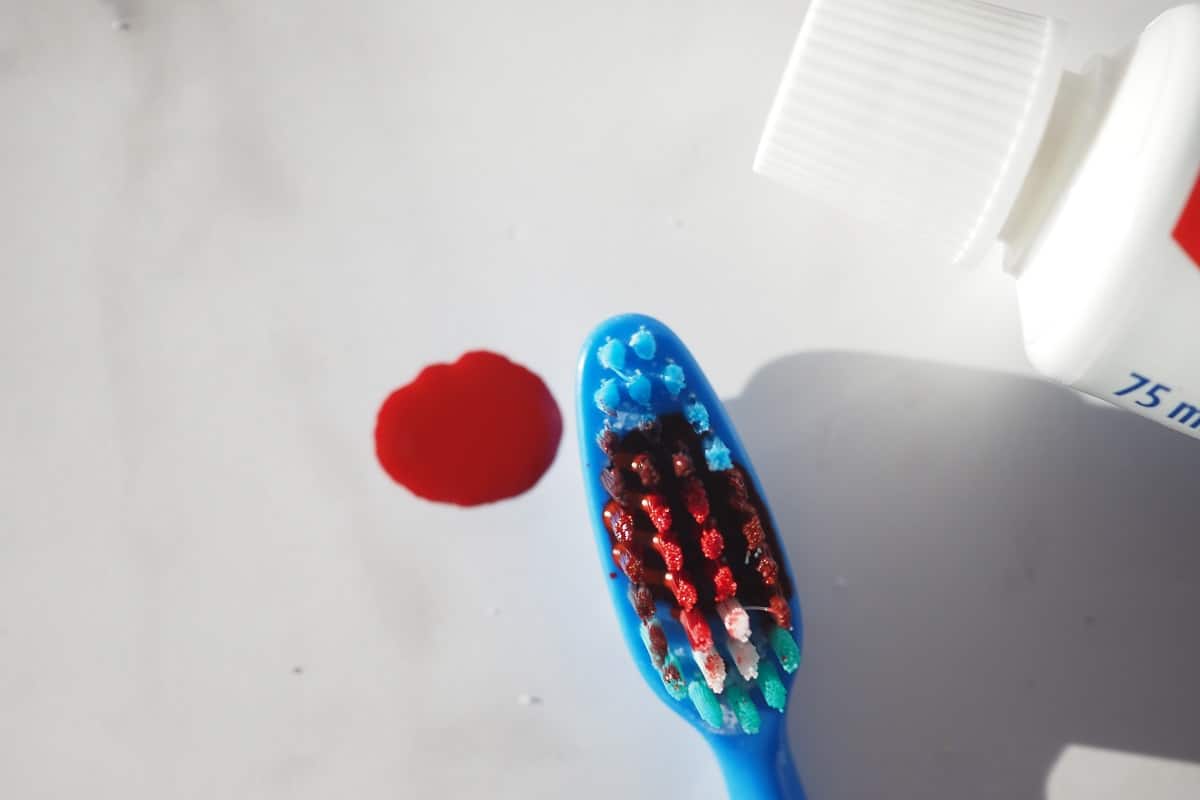
- Bleeding when brushing or flossing: One of the most common signs is gums that bleed easily, particularly after brushing or flossing.
- Bad breath: Unpleasant odors may result from bacterial buildup in the mouth.
- Tenderness or discomfort in your gums: You might feel a slight ache or sensitivity in the gums when you eat or touch them.
If you notice these early warning signs, it’s essential to schedule a visit with a dentist near Peachtree City to evaluate the health of your gums.
Understanding the Gingivitis Symptoms in Adults and Teens
Both adults and teens can develop gingivitis, though the symptoms may differ slightly. For teens, gingivitis can often be triggered by hormonal changes, such as puberty, which affect the sensitivity of the gums. Meanwhile, adults may experience gingivitis as a result of poor oral hygiene, smoking, certain medications, or even chronic conditions like diabetes.
For both age groups, early gingivitis symptoms include the following:
- Adults: Swollen gums that may recede slightly, leading to longer-looking teeth, and a tendency to experience more persistent bad breath.
- Teens: Gum bleeding after brushing, often exacerbated by their irregular brushing habits or a diet high in sugary snacks.
Regardless of age, recognizing these signs early and taking action can help prevent the condition from worsening.
How to Prevent Gingivitis Naturally?
The good news is that gingivitis is often preventable with the right care. You don’t need to rely on expensive treatments or complicated procedures—simple daily habits can make a big difference. Here’s how you can prevent gingivitis naturally:
Practice proper brushing and flossing techniques: Brushing twice a day and flossing daily are essential for removing plaque before it irritates your gums. If you’re unsure about timing, technique, or frequency, our guide on how long and how often you should brush and floss your teeth breaks it down in a simple, dentist-recommended way to help you protect your gums more effectively.
Eat a balanced diet: Foods rich in vitamin C, such as citrus fruits and leafy greens, help keep your gums strong and better equipped to fight inflammation.
Avoid smoking: Tobacco use is a major risk factor for gum disease. Quitting can significantly improve gum health and reduce your risk of gingivitis.
Stay hydrated: Drinking plenty of water—especially during Peachtree City’s hot summer months—helps prevent dry mouth, which can increase plaque buildup and gum irritation.
In addition to these daily habits, scheduling regular professional dental cleanings is essential for long-term gum health. Routine visits allow your local dental practice to remove hardened plaque that brushing alone can’t reach and catch early signs of gum disease before they worsen.
Professional Treatment Options for Gingivitis
If you notice signs of gingivitis, professional dental care can help prevent it from progressing to a more severe form of gum disease. Gum disease treatment options in Peachtree City typically include:
- Scaling and Root Planing: A deep cleaning procedure where a dentist or hygienist removes plaque and tartar from below the gumline and smooths the tooth roots to help the gums reattach.
- Antibiotic Treatment: In some cases, your dentist may recommend topical or oral antibiotics to help control the bacterial infection.
- Follow-up Care: Regular dental checkups will help keep your gums in good condition and prevent gingivitis from returning.
Your dental care provider will assess the extent of the gingivitis and discuss the best treatment plan tailored to your needs. If left untreated, gingivitis can lead to periodontitis, a more serious condition that may require surgical intervention. Don’t wait! Early treatment is key.
What Are the Key Risk Factors for Gingivitis?
While anyone can develop gingivitis, several factors increase your risk of developing gum disease, including:
- Poor oral hygiene: Infrequent brushing and flossing allow plaque to build up and irritate your gums.
- Tobacco use: Smoking or chewing tobacco impairs gum health and makes it harder for your gums to heal.
- Certain health conditions: Diabetes, certain viral and fungal infections, and conditions like HIV can increase your susceptibility to gum disease.
- Medications: Some medications can affect your gum health by reducing saliva production or altering gum tissue.
- Hormonal changes: Pregnancy, menstruation, and menopause can all make gums more sensitive to bacteria.
If you’re at higher risk for gingivitis, taking extra care with your oral hygiene routine is essential.
How to Spot Gingivitis Early in Children?
Gingivitis doesn’t just affect adults. Teens and children can develop gum disease too, especially if they don’t maintain a proper brushing routine. Parents should watch for:
- Gums that bleed during brushing or flossing.
- Bad breath that lingers.
- Swollen or tender gums.
Kids and teens need to start brushing properly from an early age, so they don’t develop habits that could lead to gingivitis later. Encourage them to visit a dental professional regularly and make brushing and flossing a fun part of their routine.
Maintaining Long-Term Gum Health
Maintaining good gum health goes beyond simply preventing gingivitis. Once you’ve eliminated any signs of gingivitis, there are steps you can take to ensure your gums stay healthy long-term:
- Visit your dentist regularly: Professional cleanings are crucial for maintaining gum health and preventing future issues.
- Use an antimicrobial mouthwash: This can help reduce bacteria that cause gum disease.
- Monitor your gum health: Keep an eye out for any unusual changes in your gums and visit a trusted dental practice if you notice any problems.
Remember, your gums play a vital role in your overall oral health. Keeping them in top condition requires consistent care and attention.
Keep Your Gums Healthy for a Lifetime
Spotting the early signs of gingivitis can make all the difference in preventing more serious gum issues down the road. By staying vigilant and adopting good oral hygiene habits, you can preserve your gum health for a lifetime. Whether you’re brushing twice a day, flossing regularly, or scheduling those important professional cleanings, each small step helps protect your smile.
Remember, early intervention is key when it comes to gum disease, and knowing how to spot the signs of gingivitis puts you in the driver’s seat of your oral health. If you’ve noticed any of the symptoms discussed and are concerned about your gum health? Don’t wait until the symptoms worsen. Contact us today to schedule your dental visit and ensure your gums stay healthy for years to come!
FAQs
What is the main cause of gingivitis?
Gingivitis is primarily caused by plaque buildup on the teeth. If plaque is not removed through regular brushing and flossing, it irritates the gums, leading to inflammation and infection.
How can I tell if I have gingivitis?
Look for swollen, red gums that bleed easily, especially when brushing or flossing. Bad breath and tenderness are also common signs that your gums may be infected.
Can gingivitis go away on its own?
Gingivitis can be reversed with good oral hygiene, including regular brushing and flossing. Professional cleaning from a dentist is often needed to remove plaque buildup and restore gum health.
Is gingivitis painful?
Gingivitis is usually not painful, but it can cause discomfort, such as tender or swollen gums. If untreated, it can become more painful and progress into periodontitis.
How often should I visit a dentist for gum health?
For optimal gum health, it’s recommended to get a professional cleaning and checkup. This helps catch early signs of gingivitis or other gum problems before they progress.
Can pregnancy cause gingivitis?
Yes, hormonal changes during pregnancy can make gums more sensitive, leading to pregnancy gingivitis. Regular dental visits and good oral hygiene can help manage these changes.