
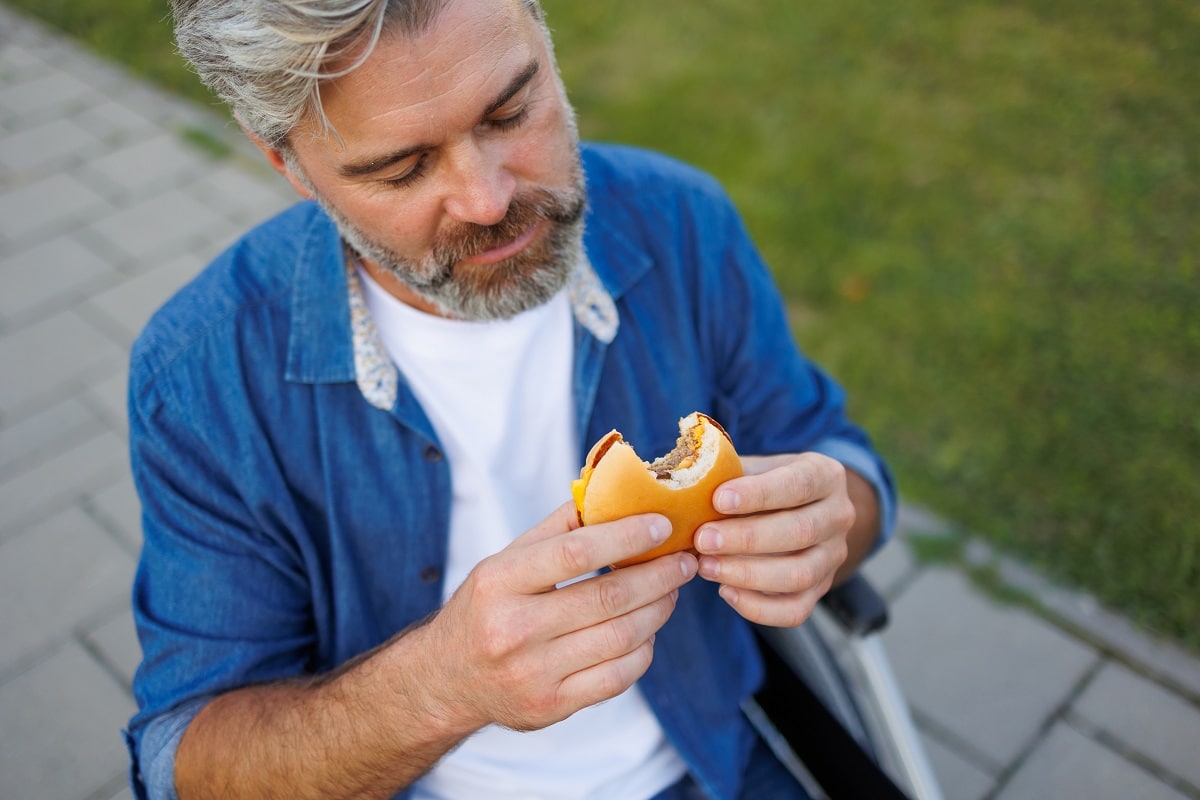
Does Chewing More Help You Lose Weight? A Dentist Explains
In Peachtree City, we often hear patients from Kedron, Aberdeen, and Fayetteville ask questions that go beyond cavities and cleanings. One that comes up more often than you might expect is about eating habits, specifically whether chewing more can actually help with weight loss. It sounds simple, but the answer connects oral health, digestion, and behavior in ways most people don’t realize.
At Vassey Dental Partners, Dr. Neal Morgan and the team focus on how everyday habits affect long-term health. With a patient-first approach and a strong emphasis on preventive care, they regularly help patients identify patterns, including how they eat, that may be impacting both oral and overall wellness.
If you’ve been wondering how your eating habits might be affecting your health, now is a great time to take a closer look. Schedule your visit today and get personalized guidance tailored to your daily routine.
Why Dentists Pay Attention to How You Chew
Chewing is the first step of digestion. It breaks food down into smaller particles and mixes it with saliva, which contains enzymes that begin processing carbohydrates. When this step is rushed, the rest of your digestive system has to work harder.
From what we see chairside, patients who chew quickly often report:
- Feeling hungry soon after meals
- Eating larger portions without realizing it
- Experiencing bloating or discomfort after eating
This is where the weight loss question starts to make sense. It is not that chewing itself burns calories. It is how you chew that influences how much you eat.
What Actually Happens When You Eat Too Fast
Your body has a built-in delay when it comes to feeling full. It takes about 15 to 20 minutes for your brain to receive signals from your stomach that you have had enough.
When you eat quickly:
- You can consume more food before feeling full
- You are more likely to overeat without noticing
- Your brain does not register satisfaction in time
Patients who visit a family-focused dentist in the Peachtree City area often mention that they finish meals quickly and still feel unsatisfied. In many cases, it is not about the type of food, but the pace of eating.
Slowing down your chewing naturally stretches out mealtime, giving your body time to catch up.
Can Chewing More Actually Reduce Calorie Intake?
In a practical sense, yes, but indirectly.
Chewing more:
- Slows down how fast you eat
- Improves awareness of portion sizes
- Enhances satiety (feeling full)
We have seen patients who consciously slow their eating habits begin to reduce snacking and portion sizes without strict dieting. This is especially noticeable in patients who previously rushed meals due to busy schedules.
However, it is important to set expectations. Chewing more is not a weight loss solution on its own. It is a behavioral adjustment that supports better eating patterns.
The Overlooked Role of Oral Health in Eating Habits
Here is something many people do not connect: your ability to chew properly depends on your oral health.
Patients with:
- Sensitive teeth
- Worn enamel
- Missing teeth
- Poor bite alignment
often avoid certain foods or rush through meals to minimize discomfort.
In these cases, chewing is not just inefficient; it is compromised.
A dentist will often notice signs like uneven wear or jaw strain, which can indicate that a patient is not chewing effectively. These issues can quietly influence diet choices, leading to softer, often more processed foods that are easier to eat but not always ideal for weight control.
Common Misconceptions Patients Bring Up
“If I chew more, I’ll lose weight automatically.”
Not exactly. Chewing more helps regulate eating behavior, but it does not replace balanced nutrition or physical activity.
“Chewing gum works the same way.”
Chewing gum may temporarily reduce the urge to snack, but it does not replicate the digestive or satiety benefits of properly chewing food during meals.
“I just need to eat less.”
Many patients already try to eat less but struggle because they eat too fast. Addressing eating speed is often more effective than strict portion restriction alone.
Small Changes That Actually Make a Difference
Instead of overcomplicating things, we usually recommend simple adjustments:
- Put your fork down between bites
- Aim to chew until the food loses texture, not a fixed number
- Avoid distractions like phones during meals
- Take at least 15 to 20 minutes to finish a meal
These changes sound minor, but they directly influence how much you eat without requiring major lifestyle shifts.
What We Notice in Real Patients
In practice, patterns become clear over time.
Patients who:
- Eat quickly
- Skip meals and then overeat later
- Have untreated dental discomfort
are more likely to struggle with portion control.
On the other hand, patients who slow down, address dental issues, and become more aware of their chewing habits tend to:
- Feel full sooner
- Snack less frequently
- Make more intentional food choices
These are subtle shifts, but they are consistent.
When Chewing Issues Need a Dental Evaluation
If chewing feels uncomfortable or inefficient, it is not something to ignore.
You may want to get evaluated if you notice:
- Pain when biting down
- Food is getting stuck frequently
- Avoiding certain foods because they are hard to chew
- Jaw fatigue during meals
These are not just dental concerns; they can influence your overall eating behavior and nutrition.
Ready to Improve More Than Just Your Smile?
If chewing feels uncomfortable or you have noticed changes in how you eat, it may be time to look closer. At Vassey Dental Partners, we focus on identifying subtle issues that affect both oral health and daily habits. Schedule your visit today and get a clearer understanding of how your dental health may be influencing your overall well-being.
Eating habits are often overlooked when people think about health, but they play a bigger role than most expect. When we pay attention to how we chew, not just what we eat, we start to see small changes that add up over time. Our goal is to help patients recognize these patterns early and make adjustments that support both comfort and long-term health.
Frequently Asked Questions
Does chewing more really help you lose weight?
It can support weight loss indirectly by slowing down eating and helping you feel full sooner, which may reduce overall calorie intake.
How long should I chew my food?
There is no exact number, but you should chew until the food is soft and easy to swallow without effort.
Why do I feel hungry even after eating quickly?
Your brain needs time to register fullness. Eating too fast can delay that signal, making you feel like you need more food.
Can poor chewing affect digestion?
Yes. Larger food particles are harder to break down, which can lead to digestive discomfort and inefficient nutrient absorption.
Is chewing gum a good alternative?
Not really. It may reduce snacking temporarily, but does not replace proper chewing during meals.
Can dental problems affect how much I eat?
Absolutely. Pain or discomfort can lead to faster eating or avoidance of certain foods, which can impact diet quality.
What is the biggest mistake people make with eating habits?
Eating too quickly without realizing how much they are consuming. This is one of the most common patterns we see.