
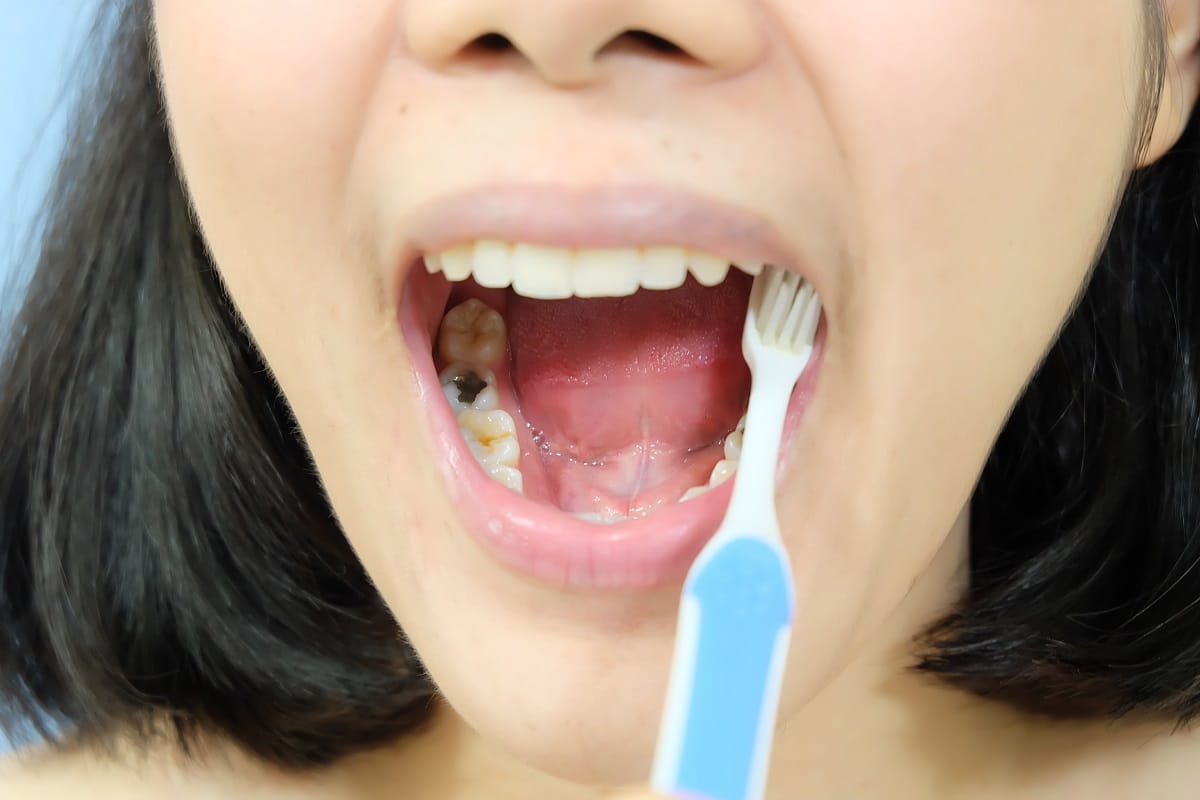
Why Cavities Are So Common and How Your Family Dentist Helps Prevent Them.
Peachtree City families often tell us the same thing, “We brush every day, so why do cavities still show up?” Whether you are coming in from Kedron, Aberdeen, or nearby Fayetteville, this is one of the most common concerns we hear. Cavities feel random to patients, but in reality, they follow clear patterns that often go unnoticed until damage has already begun.

At Vassey Dental Partners, our team, including Dr. Christine Keyser, Dr. Amish Naik, Dr. Michelle Konwick, and others, focuses on preventative care that is practical and personalized. We prioritize early detection, clear communication, and conservative treatment so patients can avoid unnecessary procedures whenever possible. Take a proactive approach to your oral health with personalized preventative care. Contact us today and protect your smile with early detection and simple, effective solutions.
Why cavities feel unexpected to most patients
Many patients believe cavities happen suddenly. In reality, tooth decay develops slowly over time. The reason it feels sudden is that the early stages do not cause pain or visible symptoms.
We regularly see patients who brush daily and still develop cavities. This happens because cavities are not just about brushing. They are about how often your teeth are exposed to conditions that allow bacteria to thrive.
Some of the most common patterns we notice include:
- Frequent snacking throughout the day
- Sipping coffee, soda, or juice over long periods
- Skipping flossing in tight spaces between teeth
- Assuming no pain means no problem
By the time discomfort appears, enamel has already been weakened.
The real reason cavities are so common
Cavities form when plaque bacteria break down sugars and produce acids that attack enamel. What surprises many patients is that frequency matters more than quantity.
For example:
- Eating sweets once is less harmful than constant snacking
- Crackers and chips break down into sugars
- Dry mouth increases the risk of decay, especially in adults
This is why patients with what they consider a balanced diet still develop cavities.
Patients searching for a family dentist in Peachtree City often come in with recurring decay and no clear explanation. Once we review their daily habits, the pattern becomes much easier to identify.
Why brushing alone does not fully protect your teeth
Brushing twice a day is essential, but it is not enough on its own.
Here is where patients commonly fall short:
- Plaque builds up between teeth where brushes cannot reach
- Late night snacking after brushing restarts the decay process
- Inconsistent technique leaves certain areas uncleaned
We often find cavities forming between teeth in patients who do not floss regularly.
Timing also matters. Brushing immediately after acidic foods can damage enamel if it is temporarily softened.
What your dentist can detect early
One of the biggest advantages of routine visits is early detection.
In the early stages, cavities:
- Do not cause pain
- Are not visible
- Do not interfere with daily activities
During exams, we often detect:
- Early enamel breakdown
- Areas of demineralization
- Hidden decay between teeth using X-rays
This is where a family dentist plays a critical role by identifying issues before they require more complex treatment.
How cavities progress if left untreated
Cavities do not always progress at the same speed, but once enamel is compromised, the process becomes faster.
Typical progression includes:
- Early enamel weakening, which may still be reversible
- Formation of a cavity that requires a filling
- Deeper decay that may require a crown or root canal
Many patients delay visits because there is no pain, but early care is always simpler and more affordable.
Common mistakes that lead to recurring cavities
We see consistent habits that increase cavity risk:
- Brushing more only after sensitivity starts
- Waiting for pain before scheduling a visit
- Assuming baby teeth are not important
- Believing healthy snacks cannot cause decay
Dried fruits, juices, and snack bars are common hidden contributors. These habits often explain why cavities keep returning.
How we help prevent cavities before they start
Preventative care goes beyond cleaning teeth. It involves understanding each patient’s habits and risk level.
At our office, we focus on:
- Tracking early enamel changes over time
- Recommending appropriate cleaning intervals
- Identifying high-risk areas for plaque buildup
- Providing realistic guidance for daily habits
For patients with deeper buildup or early gum concerns, scaling and root planing may be recommended.
For children and teens, we emphasize:
- Building strong oral hygiene habits early
- Monitoring for early signs of decay
- Creating a comfortable and positive dental experience
These early efforts help reduce long-term dental issues.
When you should not wait to see a dentist
You do not need severe pain to take action.
We recommend scheduling a visit if you notice:
- Sensitivity to cold or sweets
- Bleeding while brushing or flossing
- Food is getting stuck in the same area repeatedly
- Changes in tooth texture or color
Early attention helps prevent more complex and costly treatments.
Ready to Take the Next Step?
If you are dealing with recurring cavities or want to stay ahead of potential issues, Vassey Dental Partners is here to help. Preventative care can reduce long-term costs and protect your overall oral health.
Call today to schedule your visit to our dental practice in Peachtree City and take a proactive step toward a healthier smile.
Cavities are common, but they are not unavoidable. When we understand daily habits, recognize early warning signs, and stay consistent with professional care, we can prevent many issues before they progress. Our focus is always on helping you maintain a healthy smile with practical and personalized care.
FAQs
1. Why do I keep getting cavities even though I brush daily?
Brushing alone does not remove plaque between teeth or prevent frequent sugar exposure.
2. Can early cavities be reversed?
In some cases, early enamel damage can improve with proper care, but developed cavities need treatment.
3. How quickly can cavities form?
In higher-risk conditions, cavities can develop within a few months.
4. Are some people more prone to cavities?
Yes, factors like saliva flow, diet, and bacteria levels can increase risk.
5. Do cavities always cause pain?
No, many cavities remain painless until they become advanced.
6. How often should I visit the dentist?
Most patients benefit from visits every six months, though some may need more frequent care.
7. Are children at higher risk for cavities?
Yes, especially if oral hygiene habits are not consistent early on.
8. What is the best way to prevent cavities long-term?
Consistent oral hygiene, controlled snacking, and regular dental visits are key.