
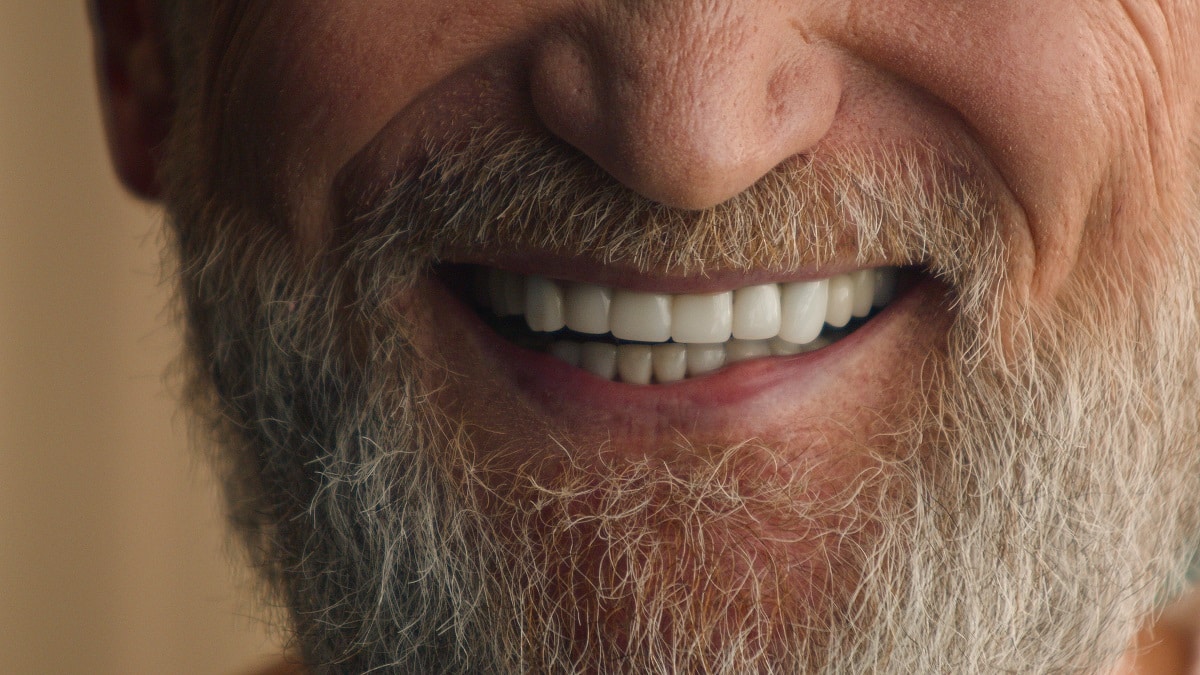
Natural Ways to Remove Plaque From Dentures
If you’re wearing dentures, it’s essential to keep them clean to maintain both their appearance and functionality. Over time, plaque can build up on your dentures, just like it does on natural teeth. Plaque on artificial teeth can lead to bad breath, discoloration, and even infections if not removed properly. While there are commercial cleaning products designed for this purpose, you might want to try natural methods for denture care that you can easily do at home.
In this blog, we’ll explore several effective and natural ways to remove plaque from dental prosthetics. However, it’s also important to note that natural cleaning methods may not always be enough, and professional cleaning may still be necessary to ensure your false teeth remain in top condition.
Why Is Plaque Removal Important for Dentures?
Plaque buildup on dentures is a common problem that can affect both your oral health and the longevity of these dental restorations. Plaque is a sticky film of bacteria that forms on surfaces in your mouth. When it accumulates, it can lead to gum irritation, bad breath, and a dull appearance. Regular cleaning, both at home and professionally, is essential for maintaining proper denture care and preventing more serious issues like infections.
How to Take Care of Your Dentures: Natural Cleaning Methods
Here are several natural ways to clean plaque from your dentures at home. Incorporating these methods into your daily routine can help keep your false teeth in great condition.
1. Use Baking Soda and Water
Baking soda is a gentle abrasive that can help remove plaque and stains from dentures. Simply mix a teaspoon of baking soda with a little water to form a paste. Use a soft toothbrush to gently scrub your dental prosthetics, paying close attention to the areas with plaque buildup. Rinse thoroughly with water afterward.
2. Soak in White Vinegar and Water
White vinegar is known for its ability to remove mineral deposits and bacteria. Mix 1 part white vinegar with 1 part water, then soak your artificial teeth for 15–30 minutes. After soaking, scrub the tooth restorations with a soft brush to remove any remaining plaque. Rinse thoroughly with water.
3. Use Hydrogen Peroxide
Hydrogen peroxide can help sanitize and remove plaque. Mix equal parts of hydrogen peroxide and water, and soak your removable teeth for about 15 minutes. After soaking, gently brush your false teeth with a soft brush and rinse well. This will help clean the dentures and kill bacteria.
4. Brush With Salt and Water
Salt is another natural abrasive that can help clean your removable teeth. Mix a teaspoon of salt with warm water and use it to scrub with a soft toothbrush. Salt helps to dislodge plaque and clean false teeth without damaging them.
5. Rinse With Mouthwash
Using mouthwash to rinse your removable dentures can help freshen them and reduce plaque buildup. Be sure to use an alcohol-free mouthwash to avoid damaging the tooth restorations. Swish the mouthwash in your mouth, or if preferred, soak your artificial teeth in it for a few minutes to help kill bacteria.
6. Use Citrus Fruit (Lemon or Orange Peel)
Lemon and orange peels contain natural oils that can help dissolve plaque. Rub the inside of a lemon or orange peel directly onto the surface of your dentures. You can also soak your artificial teeth in a solution of lemon juice and water. This natural method is gentle and helps freshen your removable teeth.
7. Soak in Baking Soda and Water Overnight
For a deeper clean, you can soak your false teeth in a baking soda and water solution overnight. Baking soda helps neutralize odors and remove plaque without being abrasive. In the morning, rinse your removable teeth thoroughly before putting them in.
8. Clean With a Denture Brush and Soap
A soft denture brush paired with mild, unscented soap is another way to clean the restorations gently. Scrub the surface of your false teeth to remove plaque and stains. Be sure to rinse them thoroughly after cleaning to remove any soap residue.
9. Use Coconut Oil
Coconut oil has natural antibacterial properties and can help loosen plaque buildup. You can apply coconut oil to your dentures and use a soft brush to scrub them. This method helps moisturize them and reduce bacterial growth.
10. Use Toothpaste Made for Dentures
While this isn’t strictly a “natural” method, many denture-specific toothpastes contain natural ingredients and are gentle enough for daily use. These toothpastes can help remove plaque without damaging the denture surface, leaving your false teeth clean and fresh.
When Natural Methods Are Not Enough
While these home-made methods can be effective in reducing plaque buildup on false teeth, they may not always be sufficient for thorough cleaning. Over time, stains and plaque can become harder to remove with at-home methods alone. In these cases, it’s important to consult with a professional dentist who can offer a more thorough cleaning and check for any potential damage to your removable teeth.
If your dentures have been in use for several years or if you have trouble removing persistent plaque, it might be time to seek a professional dentist’s help. A dentist or hygienist can clean your artificial teeth with specialized tools and solutions that remove bacteria and buildup more effectively than home remedies.
Regular Professional Cleaning Is Essential for Denture Care
While natural cleaning methods are an excellent way to maintain your dentures, professional care remains a crucial part of denture care. Regular dental cleaning helps keep your dental prosthetics in optimal condition and protects your oral health. If you are looking for dentures in Peachtree City, don’t hesitate to book a consultation at Vassey Dental Partners to learn more about denture cleaning and maintenance.
Keeping your dentures clean and well-maintained is key to maintaining a healthy, functional smile for years to come.
FAQs
1. How often should I clean my dentures?
You should clean your dentures every day to prevent plaque buildup, odors, and staining. It’s also important to rinse your dentures after eating.
2. Can I use regular toothpaste to clean my dentures?
No, regular toothpaste can be too abrasive for dentures. It’s best to use a special denture cleaner or natural alternatives like baking soda.
3. What should I do if my dentures start to smell?
If your dentures have an odor, it’s likely due to plaque buildup. Try soaking them in a vinegar-water solution and brushing them thoroughly to remove the smell.
4. How can I prevent plaque buildup on my dentures?
To prevent plaque buildup, clean your dentures daily, soak them overnight, and avoid eating sticky or sugary foods that can contribute to plaque formation.
5. Can dentures be repaired if damaged?
Yes, dentures can often be repaired if they crack or chip. It’s important to see a dentist for proper assessment and repair.
6. How do I know if my dentures fit correctly?
If your dentures feel loose, uncomfortable, or cause irritation, they may not fit properly. Visit your dentist for an adjustment.
7. Is it safe to sleep with my dentures in?
It’s recommended to remove your dentures at night to give your gums a break and prevent bacterial buildup. Clean them before storing them in water.
8. Can I whiten my dentures?
Whitening dentures with natural methods may help with minor stains, but it’s best to consult a dentist for safe whitening solutions.