
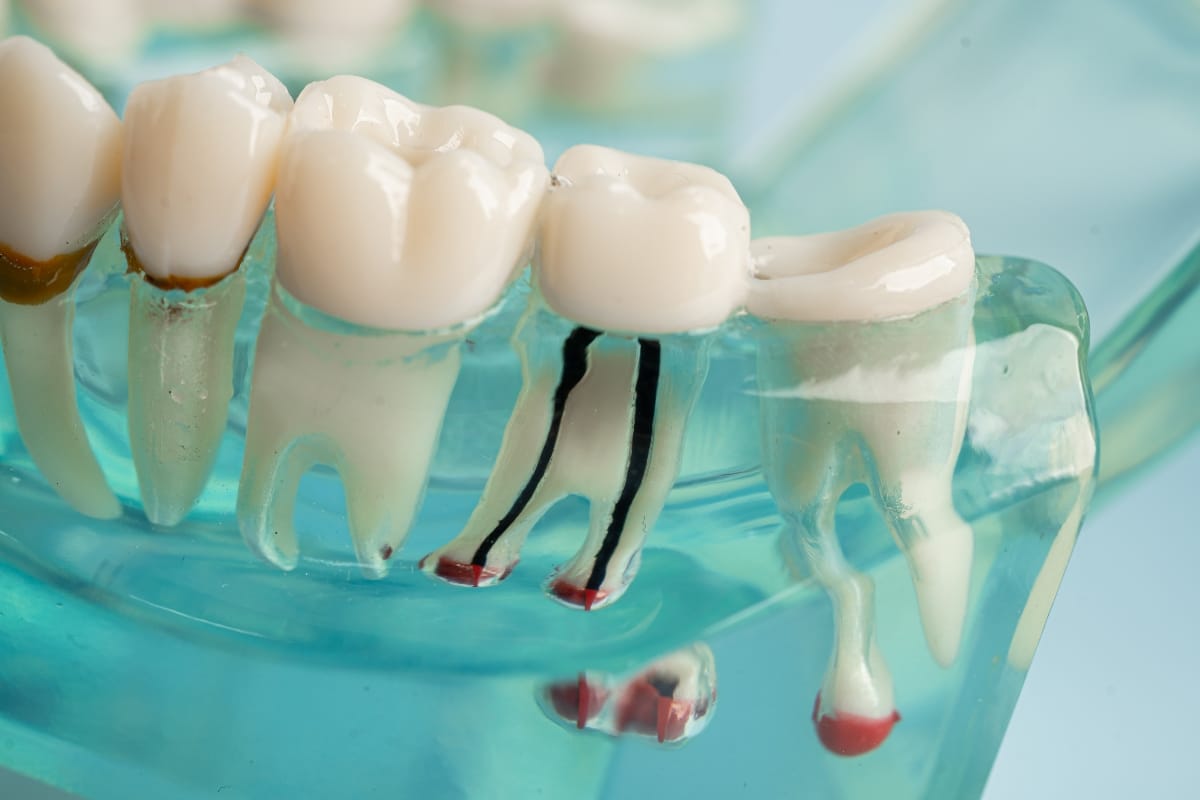
Understanding Root Canal Therapy and Why It Matters
When dental pain strikes, it can be overwhelming. If your dentist suggests root canal therapy, you might feel a mix of anxiety and uncertainty. What exactly is involved in this procedure? How long does it take? And most importantly, will it hurt? In this blog, we’ll take you through everything you need to know about root canal therapy, aiming to ease your worries and provide you with essential insights. By the end, you’ll feel more informed and ready for your dental appointment.
Signs You May Need a Root Canal
Understanding when you might need a root canal can help you seek timely dental care. Here are some common signs that indicate you may need this procedure:
Severe Toothache:
A persistent, severe pain in your tooth can be a sign that the pulp inside is inflamed or infected. This pain may worsen when you chew or apply pressure.
Sensitivity to Hot and Cold:
If you experience intense pain or discomfort that lingers after consuming hot or cold foods and drinks, it could indicate that your tooth’s nerves are affected.
Swollen Gums:
If you notice swelling or tenderness around the gums near the affected tooth, it may be a sign of infection. Swollen gums can be accompanied by pain or a foul taste in your mouth.
Discoloration of the Tooth:
A tooth that becomes dark or discolored may indicate that the pulp inside is dying or dead. This change can be a visual cue that something is wrong with your tooth.
Pain When Biting or Touching:
If you feel pain when biting down or touching the tooth, it could mean that the nerve is damaged, signaling a need for root canal therapy.
Persistent Bad Breath:
Bad breath that doesn’t go away, even with regular brushing and mouthwash, can be a sign of infection. If bacteria are present in the pulp, they can lead to foul odors.
If you’re experiencing any of these symptoms, don’t hesitate to reach out to your dentist for an evaluation. They can help determine if root canal therapy in Peachtree City is necessary to restore your tooth’s health.
The Root Canal Procedure: Step by Step
Initial Consultation and Diagnosis
Your journey begins with a thorough examination. To assess the severity of the issue, your dentist will take X-rays. This step is crucial as it helps them visualize the infection and plan the treatment accordingly.
Anesthesia and Comfort
Before starting the root canal procedure, local anesthesia is administered to numb the area around the affected tooth. You might feel a small pinch, but it should be quite manageable. Most people report feeling relaxed and comfortable during the procedure. Isn’t it reassuring to know that pain management is a priority?
Cleaning the Tooth Interior
Your dentist will make a tiny hole in the tooth’s crown once you’re numb. Through this opening, they will remove the infected or damaged pulp using specialized tools. This part may take some time, but your dentist will work carefully to ensure thorough cleaning.
Filling the Tooth
Following cleaning, the dentist will use a biocompatible substance to fill the empty space. This step seals the tooth and prevents future infections. The dentist may place a temporary filling over the opening to protect the tooth until you return for a permanent restoration.
Restoring the Tooth
In most cases, a root canal requires a crown to restore the tooth’s strength and functionality. Your dentist will discuss the best materials and options available. This is vital to maintain your tooth’s structure and health in the long run.
Problems Root Canal Treatment Can Solve
Root canal therapy is designed to address various dental problems related to the inner structure of your tooth. Here are some key issues that root canal treatment can effectively resolve:
Infected Tooth Pulp:
One of the primary reasons for root canal therapy is an infected or inflamed pulp inside the tooth. If left untreated, this infection can lead to severe pain and may spread to other areas.
Abscess Formation:
An abscess is a painful, pus-filled pocket that forms at the root of the tooth due to infection. Root canal treatment can remove the infection and prevent further complications, like spreading to your jaw or other teeth.
Damage from Trauma:
If your tooth suffers trauma from an injury or accident, it can lead to nerve damage. Root canal therapy can save the tooth and alleviate pain associated with the injury.
Severe Decay:
When tooth decay penetrates deeply into the tooth, it can reach the pulp. Root canal treatment removes the decayed part and preserves the structure of the tooth, preventing the need for extraction.
Chronic Pain:
Ongoing tooth pain that doesn’t respond to over-the-counter pain relief may indicate a deeper issue. A root canal can relieve this pain by addressing the underlying infection or damage.
By addressing these problems, root canal therapy can help you maintain your natural tooth and improve your overall oral health. Regular dental check-ups can help detect issues early, making treatment more effective.
Understanding what to expect from root canal therapy can help demystify the process. By addressing dental issues promptly and seeking professional care, you can ensure a healthier, brighter smile for years to come. Don’t hesitate to reach out to your dentist with any questions or concerns about your oral health. After all, maintaining your smile is worth it!