

Common Symptoms Of Tooth Decay
Are you experiencing sensitivity to hot or cold foods? Maybe you’ve noticed some dark spots on your teeth, or even visible holes. These could all be signs of tooth decay. Tooth decay is a common dental problem that affects people of all ages and can lead to serious oral health issues if left untreated.
In this blog post, we’ll discuss the most common symptoms of tooth decay so that you can identify them early and get the treatment you need to maintain healthy teeth and gums. Let’s dive in!
Sensitivity To Cold Or Hot Foods
One of the most common symptoms of tooth decay is sensitivity to cold or hot foods. If you’ve noticed that your teeth are sensitive when you eat or drink something hot or cold, it could be a sign that there’s an issue with the enamel on your teeth.
Enamel is the hard outer layer of your teeth and serves as a protective barrier against bacteria and other harmful substances. When this layer is damaged due to tooth decay, nerve endings in your teeth become exposed, leading to sensitivity.
If you’re experiencing sensitivity, try avoiding extremely hot or cold food and drinks for a while. You can also use toothpaste specifically designed for sensitive teeth which can help reduce discomfort.
It’s important not to ignore sensitivity since it could indicate more serious dental problems down the line if left untreated. So make sure to schedule an appointment with your dentist if you experience any discomfort while eating or drinking!
Spontaneous Pain In The Mouth
Spontaneous pain in the mouth is one of the most common symptoms of tooth decay. This type of pain can come and go without any warning, making it difficult to predict when it will occur. It’s often described as a sharp or shooting pain that lasts for just a few seconds or minutes before disappearing.
The cause of this type of toothache is usually due to an exposed dentin on the surface of your teeth, which can be caused by cavities or gum disease. When you eat or drink something hot, cold, sweet, or sour, it can irritate your nerves and trigger spontaneous pain.
If you experience spontaneous pain in your mouth frequently, make sure to schedule an appointment with your dentist as soon as possible. They may recommend filling cavities with dental fillings or performing root canal therapy if necessary. In some cases, they might suggest using desensitizing toothpaste or gels to help alleviate sensitivity and reduce discomfort.
Ignoring spontaneous pain in the mouth could lead to more severe issues down the line such as abscesses and infections which require more complex treatments like extractions and implants – so don’t wait until things get worse!
Visible Holes Or Pits In Teeth
Visible holes or pits in teeth are one of the most apparent signs of tooth decay. These cavities can form when the enamel on your teeth starts to erode due to acid attacks from bacteria in your mouth. The cavities can also be a result of poor oral hygiene, a high-sugar diet, and genetic factors.
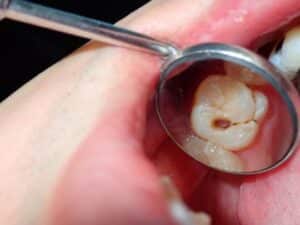
When you have visible holes or pits in your teeth, it’s usually an indication that the decay has progressed to an advanced stage. The holes may appear discolored and can make it difficult for you to chew food properly. You might even experience sensitivity or pain while eating hot or cold foods.
If left untreated, these cavities can lead to more severe dental problems like infections and abscesses. Therefore, it is essential to visit a dentist as soon as possible if you notice any visible holes or pits in your teeth.
Your dentist may recommend various treatment options depending on the extent of damage caused by the cavity. It could range from filling up the cavity with resin material, dental crowns placement, root canal therapy if necessary after analyzing through X-rays images taken at first consultation.
In conclusion Visible Holes should never be ignored since they represent a clear sign that there is something wrong with our oral health which needs attention before further complications arise
Dark Spots On Teeth
One of the most common symptoms of tooth decay is dark spots on teeth. These spots are usually a sign that the enamel on your teeth has been compromised, leaving them vulnerable to further decay and damage.
The discoloration can range from light brown to black and may be caused by a variety of factors such as poor oral hygiene, smoking or drinking coffee or tea excessively. It’s important to note that not all dark spots are indicative of tooth decay, but it’s always best to get them checked out by your dentist.
If left untreated, these dark spots can progress into cavities which will require extensive dental work such as fillings or even extractions in some cases. It’s crucial to catch tooth decay early in order to prevent further damage and preserve your oral health.
To prevent dark spots from forming on your teeth, it’s essential that you maintain proper oral hygiene practices such as brushing twice daily with fluoride toothpaste and flossing at least once a day. Also try limiting sugary drinks and snacks while incorporating more fruits and vegetables into your diet for optimal dental health.
Molds And Bacteria In The Mouth
Molds and bacteria in the mouth are common symptoms of tooth decay. These microorganisms feed on sugars present in food particles left behind by poor oral hygiene practices. While these organisms are naturally found in the oral cavity, an overgrowth can lead to dental caries.
When plaque, made up of saliva, food debris and bacteria, accumulates on teeth surfaces due to inadequate brushing or flossing, it promotes bacterial growth leading to tooth decay. The acidic nature of the microorganisms causes enamel erosion which leads to cavities forming on teeth surfaces.
If you have molds and bacteria buildup in your mouth, you may experience a metallic taste which is often accompanied by bad breath. This condition also causes gums inflammation causing tenderness and redness around the affected area.
It’s essential to maintain good oral hygiene habits such as brushing twice daily with fluoride-based toothpaste for at least two minutes each time. Flossing once every day will ensure that any remaining food particles between teeth do not promote further bacterial growth.
Regular visits to a dentist for check-ups help detect early signs of decay before they progress into severe conditions like gum disease or require complex restorative treatments like root canal therapy or extractions.
Bad Breath
Bad breath, also known as halitosis, is a common symptom of tooth decay. It can be caused by several factors such as poor oral hygiene, gum disease or even certain medical conditions like diabetes.

One of the main culprits of bad breath is bacteria in the mouth that feeds on food particles left behind after eating. These bacteria release sulfur compounds which result in an unpleasant odor.
Aside from tooth decay and gum disease, other causes of bad breath include smoking and dry mouth. Smoking not only stains teeth but it can also lead to a buildup of plaque and tartar which contribute to bad breath. Dry mouth occurs when there’s not enough saliva production in the mouth which helps wash away food particles and neutralize acids that cause bad breath.
If you’re experiencing persistent bad breath despite practicing good oral hygiene habits, it’s best to consult your dentist for proper diagnosis and treatment options. They may recommend using antibacterial mouthwash or suggest lifestyle changes such as quitting smoking or increasing water intake to improve saliva flow in the mouth.
Swollen Gums
Swollen gums are a common symptom of tooth decay. It’s important to pay attention to your gum health as they play an important role in supporting your teeth. When the gums become swollen, it can be a sign that there is an underlying issue.
One possible cause of swollen gums is gingivitis, which is caused by bacteria buildup on the teeth and gum line. This can lead to inflammation and swelling of the gums, causing discomfort and pain.
Another potential cause of swollen gums is periodontitis, which occurs when gingivitis goes untreated for too long. This condition causes damage to the bones that support the teeth, leading to loose or shifting teeth.
It’s important to seek treatment if you notice any signs of swollen or inflamed gums. Your dentist can evaluate your oral health and provide appropriate treatment options such as deep cleaning or antibiotics.
Maintaining good oral hygiene habits such as brushing twice daily and flossing regularly can help prevent tooth decay and reduce the risk of developing swollen gums.
The Bottom Line
Tooth decay is a common problem that affects people of all ages. While it may seem like a minor issue at first, neglecting the symptoms can lead to more serious complications in the future. Therefore, it’s important to pay attention to your oral health and seek professional help as soon as you notice any signs of tooth decay.
Sensitivity to cold or hot foods, spontaneous pain in the mouth, visible holes or pits in teeth, dark spots on teeth, molds and bacteria in the mouth, bad breath and swollen gums are some of the most common symptoms associated with tooth decay.
If you’re experiencing any of these symptoms or have concerns about your dental health in general, don’t hesitate to schedule an appointment with your dentist. By taking care of your teeth now and getting regular check-ups from a dental professional you trust, you can prevent further damage from occurring and keep your smile healthy for years to come!