
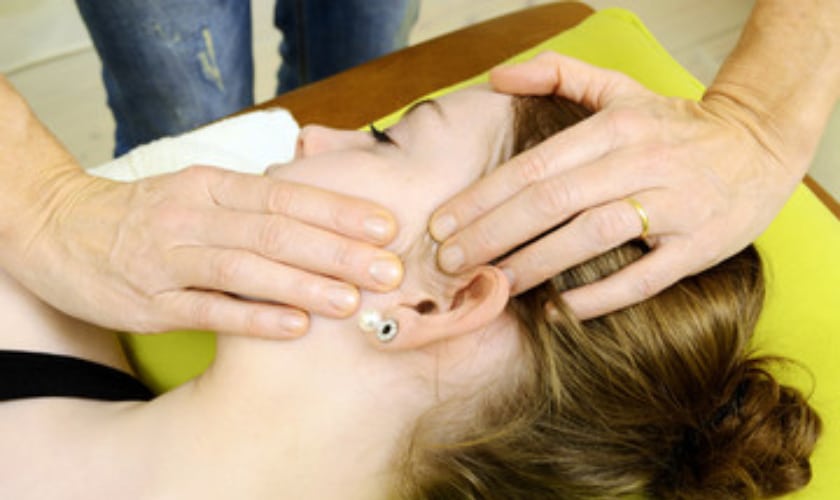
A Complete Guide To TMJ Therapy
Do you find yourself clenching your teeth or grinding them? Is it difficult to open and close your jaw when yawning, chewing, talking, or even brushing your teeth? If yes, you may suffer from TMJ (Temporomandibular Joint) dysfunction. TMJ therapy can provide relief for those experiencing these symptoms. This article will discuss TMJ therapy in detail – what it is, how it works, and its potential benefits.
What is TMJ Therapy?
TMJ stands for “temporomandibular joint”, which connects the lower jaw to the skull. TMJ therapy is a combination of treatments designed to ease pain, discomfort, and other TMJ-related symptoms, such as difficulty opening the jaw. These treatments may include physical therapy, medications, splints or mouth guards to be worn at night, lifestyle changes, and more.
What are the Benefits of TMJ Therapy?
TMJ therapy can relieve TMJ-related symptoms such as pain and stiffness in the jaw joint. It also helps reduce headaches and neck aches caused by TMJ dysfunction. TMJ therapy also improves eating habits, allowing you to open your mouth wide and eat without difficulty or discomfort. Finally, TMJ therapy can help enhance sleep quality due to less frequent teeth grinding during sleep – a common symptom of TMJ dysfunction.
How Does TMJ Therapy Work?
TMJ therapy works by addressing the underlying cause of TMJ dysfunction. It may involve physical therapy exercises, lifestyle changes, medications and even surgery. Physical therapy exercises help stretch and strengthen the muscles around the TMJ to reduce strain on the joint. Lifestyle changes such as stress reduction techniques or avoiding certain foods that can aggravate TMJ symptoms are also essential components of TMJ therapy. Medications such as anti-inflammatories or muscle relaxants may be prescribed to provide relief from TMJ-related pain and discomfort. In severe cases, TMJ surgery may be necessary.
What to Expect During TMJ Therapy?
During TMJ therapy, patients should expect to receive a comprehensive evaluation of their medical history, facial structure and TMJ-related symptoms. Following the review, the TMJ therapist will develop a treatment plan which may include physical therapy exercises, medications, or splints to be worn at night. The TMJ therapist will also likely discuss lifestyle habits such as diet and stress management that can help with TMJ dysfunction.
TMJ therapy is an effective way to address TMJ-related symptoms and improve overall jaw health. It can relieve pain and discomfort associated with TMJ dysfunction, improve eating habits and reduce headaches caused by TMJ imbalance. If you’re experiencing any TMJ-related symptoms, it’s essential to seek professional help to receive an accurate diagnosis and customized treatment plan tailored to your specific needs.
FAQs
- What is TMJ Therapy?
TMJ therapy combines treatments designed to reduce TMJ-related symptoms such as pain and stiffness in the jaw joint. It may include physical therapy exercises, medications, lifestyle changes, or surgery.
- What are the benefits of TMJ Therapy?
TMJ therapy can relieve TMJ-related symptoms such as pain and stiffness in the jaw joint. It also helps improve eating habits, reduce headaches and improve sleep quality by reducing teeth grinding during sleep.
- How Does TMJ Therapy Work?
TMJ therapy works by addressing the underlying cause of TMJ dysfunction. It may involve physical therapy exercises, lifestyle changes, medications or even surgery.